


Guide
How to Measure Your Pig
Measure Heart Girth
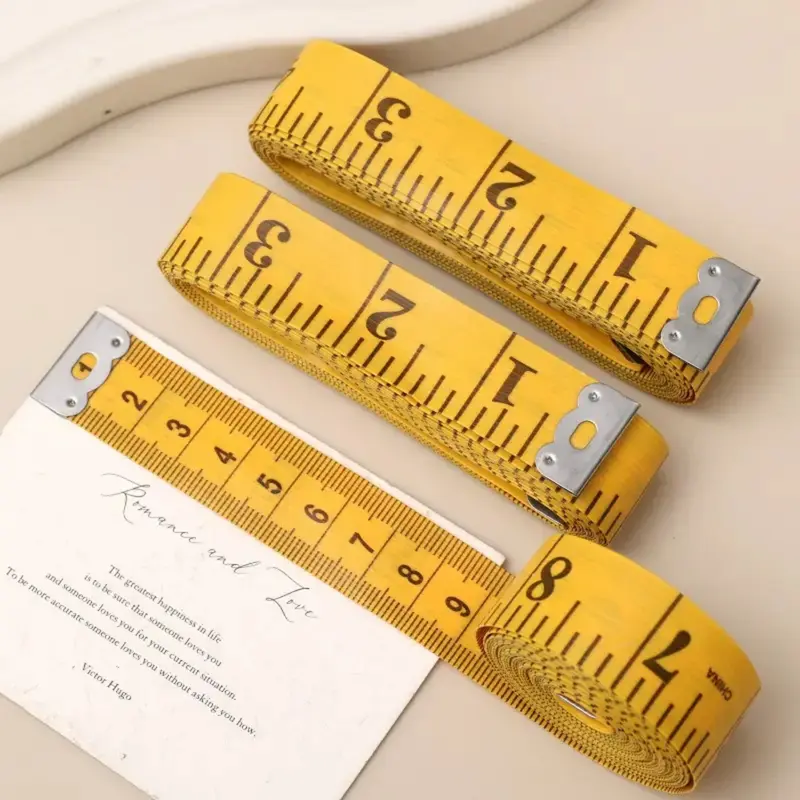
Wrap a soft measuring tape snugly around your pig's body directly behind the front legs. Take three readings and use the average.
Measure Body Length
Measure along the pig's back from the base of the ears to the base of the tail in a straight line.
Calculate
Enter both measurements above and tap Calculate Weight to get your estimate instantly.
Example
Worked Example
A pig with a heart girth of 40 in and body length of 48 in:
(40 × 40 × 48) ÷ 400 = 192 lbs (87.1 kg)
Use the calculator above to try your own measurements.
Reference
Heart Girth Quick Reference
Estimate weight from heart girth alone (measuring tape behind front legs).
| Heart Girth | Est. Weight |
|---|---|
| 25 in / 64 cm | 49 lbs / 22 kg |
| 27 in / 69 cm | 69 lbs / 31 kg |
| 30 in / 76 cm | 99 lbs / 45 kg |
| 33 in / 84 cm | 130 lbs / 59 kg |
| 35 in / 89 cm | 150 lbs / 68 kg |
| 38 in / 97 cm | 181 lbs / 82 kg |
| 40 in / 102 cm | 201 lbs / 91 kg |
| 43 in / 109 cm | 232 lbs / 105 kg |
| 45 in / 114 cm | 252 lbs / 114 kg |
| 48 in / 122 cm | 282 lbs / 128 kg |
Based on Kansas State University regression formula. Accuracy ±10 lbs.
View full pig weight chart →Growth
Pig Weight by Age
Typical growth benchmarks for commercial pigs.
| Age | Weight |
|---|---|
| Birth | 2–3 lbs / 1–1.5 kg |
| Weaning (3 weeks) | 13–15 lbs / 6–7 kg |
| 10 weeks | 55–65 lbs / 25–29 kg |
| 14 weeks | 120–140 lbs / 54–64 kg |
| 18–20 weeks | 200–240 lbs / 91–109 kg |
| 22–26 weeks (market) | ~280 lbs / ~127 kg |
Processing
Live Weight vs. Carcass Weight
Once you know your pig's live weight, you can estimate carcass (meat) weight. Most market pigs have a dressing percentage of 70–75%.
Carcass Weight = Live Weight × 0.72
Example: 192 lbs live weight × 0.72 = 138 lbs carcass weight
Breeds
Pig Weight by Breed
Mature weights for fully grown breeding stock. Market pigs are typically sold well before reaching these weights.
| Breed | Sow | Boar | Type | |
|---|---|---|---|---|
 |
Yorkshire | 500–700 lbs / 227–318 kg | 600–800 lbs / 272–363 kg | Commercial |
 |
Landrace | 500–700 lbs / 227–318 kg | 600–800 lbs / 272–363 kg | Commercial |
 |
Duroc | 600–850 lbs / 272–386 kg | 750–1,000 lbs / 340–454 kg | Commercial |
 |
Hampshire | 500–750 lbs / 227–340 kg | 650–850 lbs / 295–386 kg | Commercial |
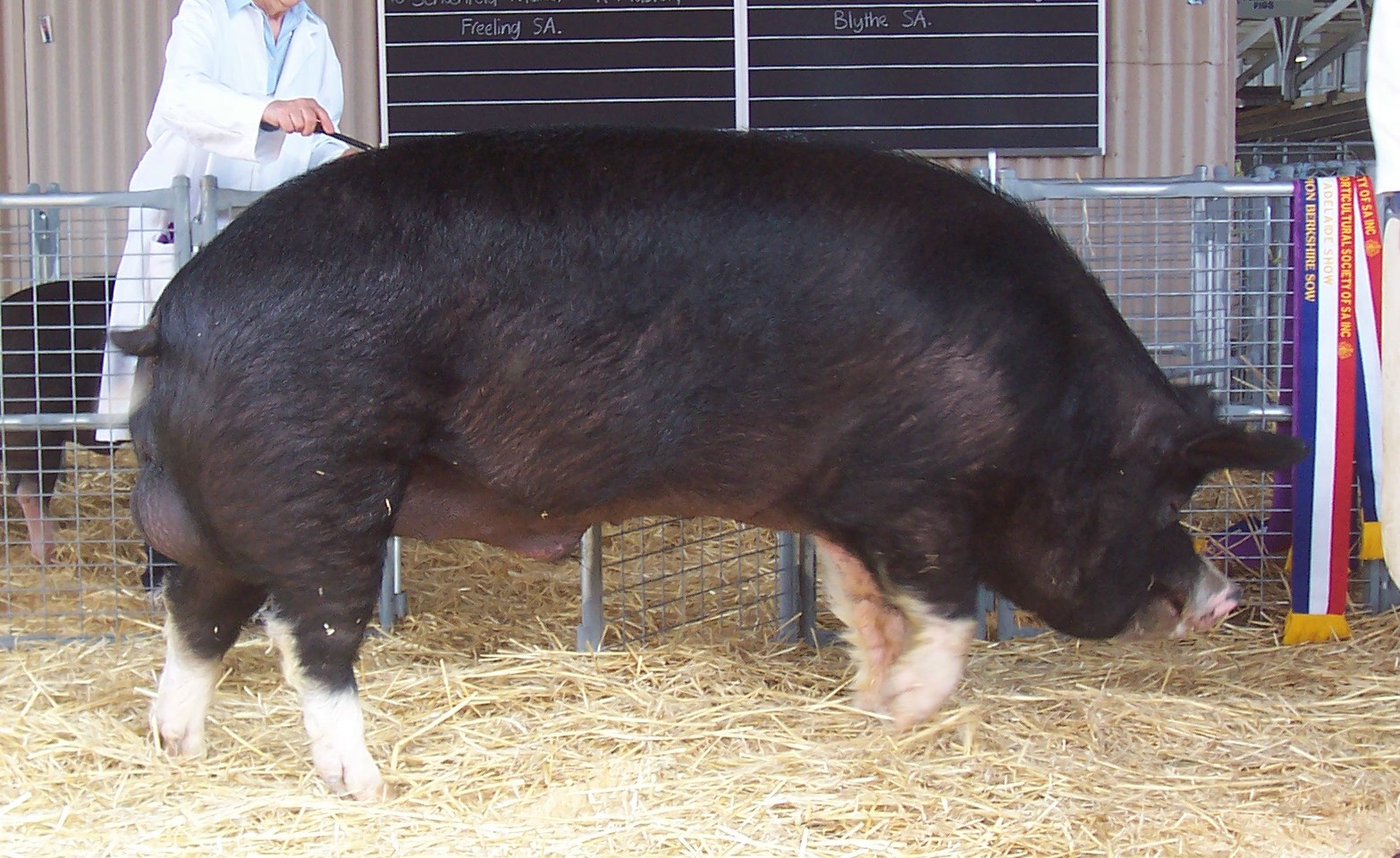 |
Berkshire | 400–600 lbs / 181–272 kg | 500–700 lbs / 227–318 kg | Heritage |
 |
Poland China | 500–700 lbs / 227–318 kg | 650–900 lbs / 295–408 kg | Commercial |
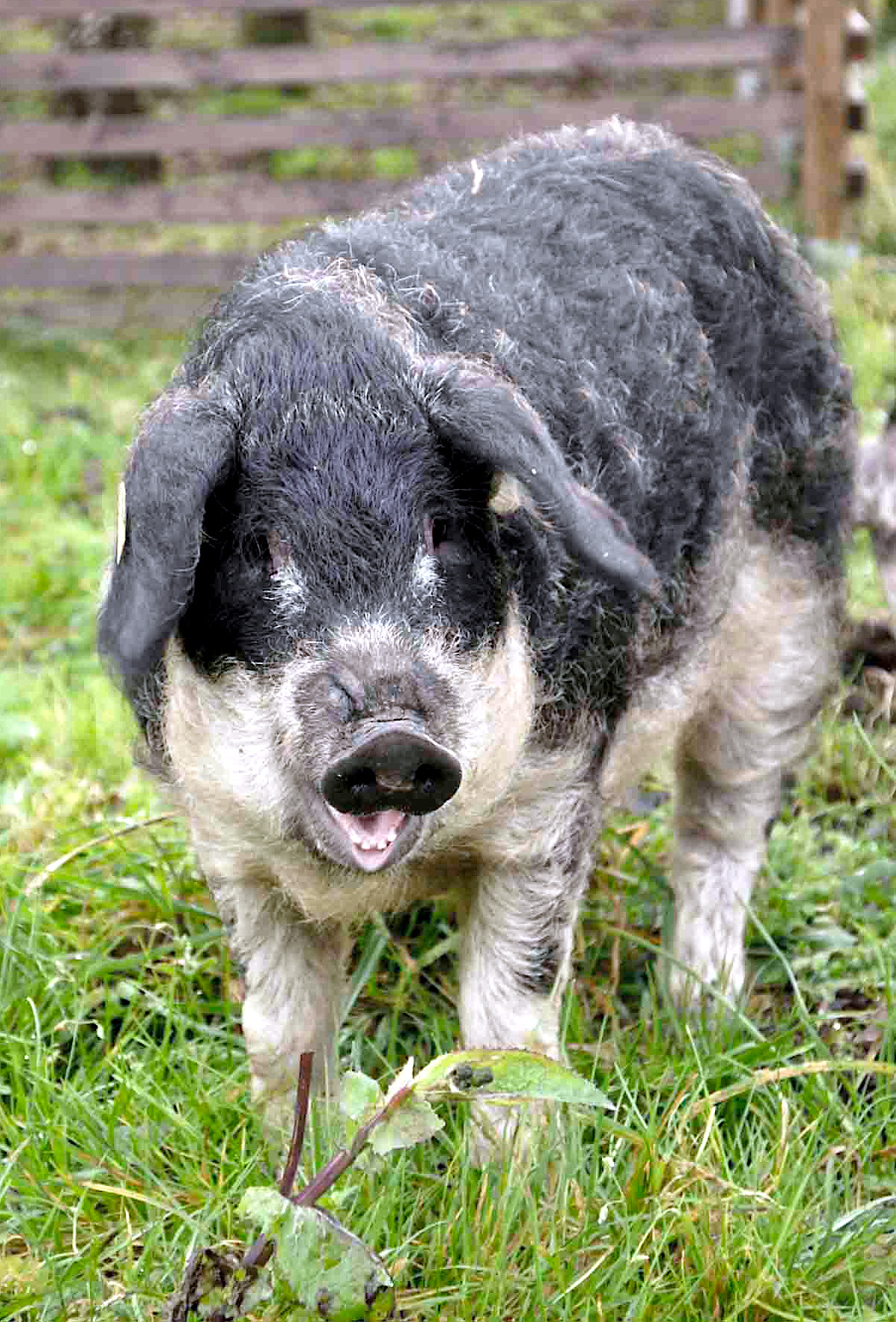 |
Mangalitsa | 250–400 lbs / 113–181 kg | 300–500 lbs / 136–227 kg | Heritage |
 |
KuneKune | 100–200 lbs / 45–91 kg | 200–300 lbs / 91–136 kg | Smallholder |
 |
Pot-bellied | 70–150 lbs / 32–68 kg | 70–175 lbs / 32–79 kg | Pet |
Weights represent fully grown breeding stock, not market-weight animals.
FAQ
Frequently Asked Questions
Research from Kansas State University shows 95% of estimates fall within ±10 lbs (±4.5 kg) of actual scale weight for finishing pigs between 100–300 lbs.
Yes. The formula works for most commercial and native pig breeds. Results may vary slightly for very young pigs under 50 lbs or large breeding stock over 400 lbs.
Use a piece of string or rope. Wrap it around the pig, mark the length with your finger, then measure the string against a ruler.
Most market pigs are ready between 80–100 kg (175–220 lbs). Use this calculator regularly to track growth and know the right time to sell.